Loading...
Loading...
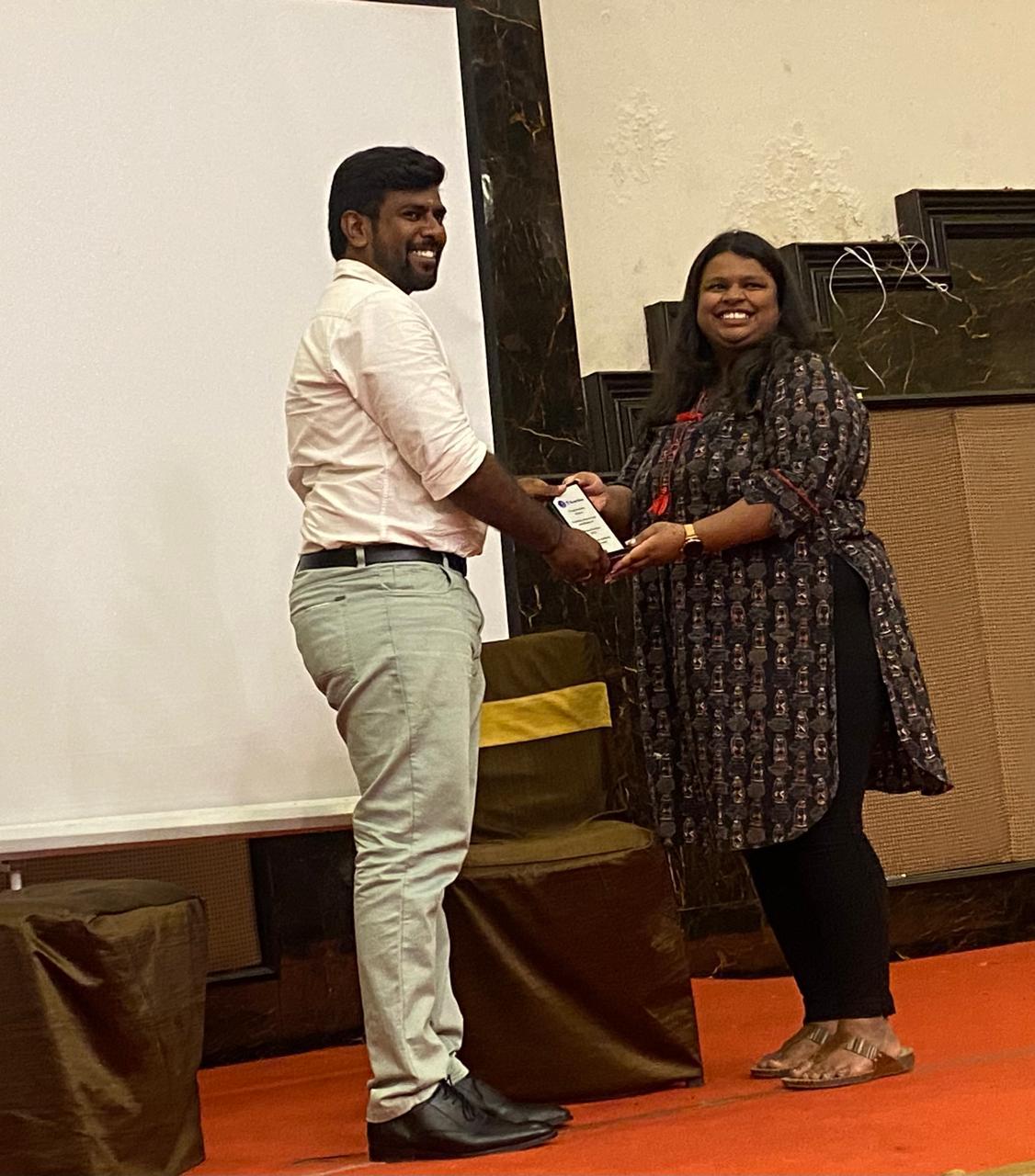
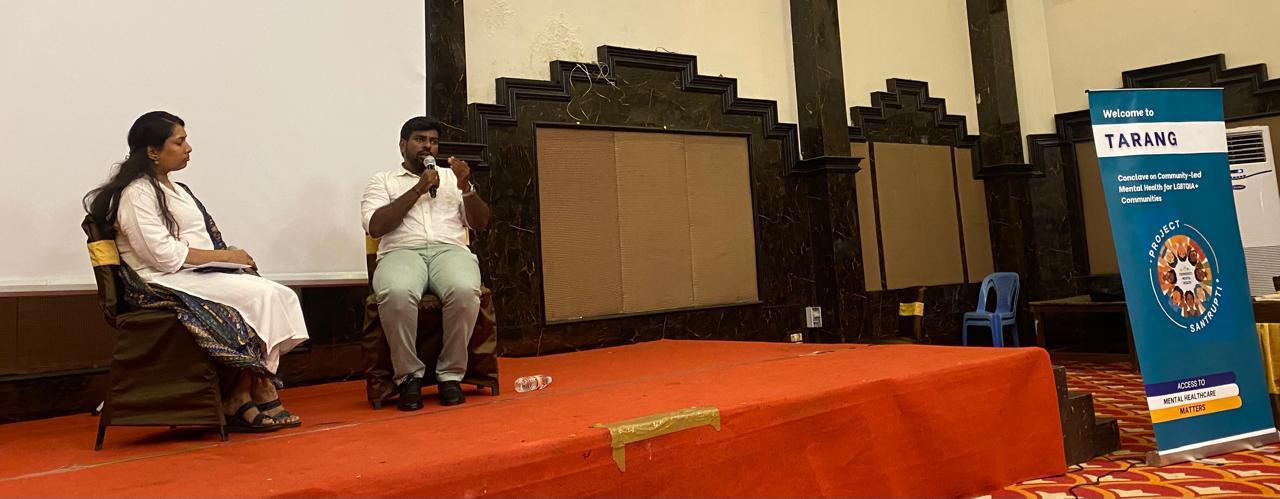
We were honoured to speak at the launch of The Banyan's LGBTQIA+ Peer First Responders manual - a conversation that felt less like an interview and more like an act of listening.
We spoke about the challenges the LGBTQIA+ community carries daily - not just the visible discrimination, but the quiet, relentless work of negotiating safety and acceptance in a world not built for them. Family rejection, healthcare barriers, workplace bias, the slow toll of minority stress - these aren't headlines. They're Tuesdays.
Much of our conversation turned to media - because how a story is told can either bring a community closer to being understood, or push it further to the margins. A single word, a single frame, can be the difference between empathy and erasure. We spoke about why trauma-informed, ethical reporting matters: no sensationalism, no flattening a person into their pain, no forgetting that behind every "story" is someone who has to live with how it's told.
Being part of this launch was a reminder - real change happens when clinical care, community, and media move in the same direction. Not just seeing people, but seeing them with care.